Most ASIC hardware vendors tell you nothing about how they operate. We do the opposite. This is where we publish what is actually happening on the floor: how we test units before dispatch, what network conditions mean for your hardware decisions, real operator stories from customers who have scaled with us, and honest breakdowns of the shipping and customs process. Updated weekly. No marketing fluff, no sponsored content, no affiliate agenda.
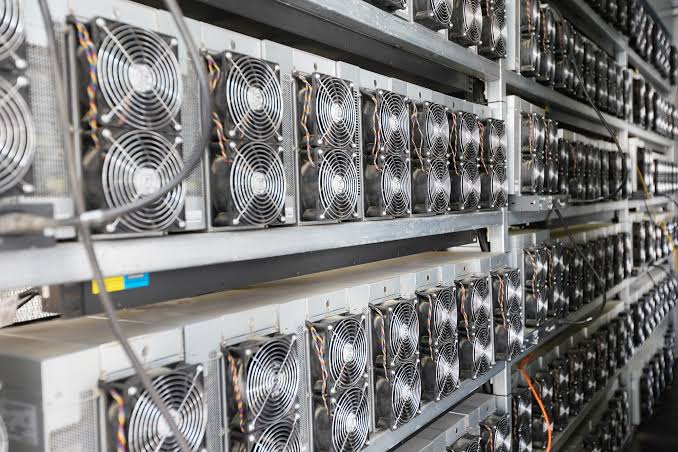
A well-maintained Antminer Z15 Pro lasts 4 to 6 years in typical use, and with no Z16 announced and the Equihash network stable near 9 GSol/s, a unit bought in 2026 keeps earning and holds resale value better than almost any other ASIC.
Read more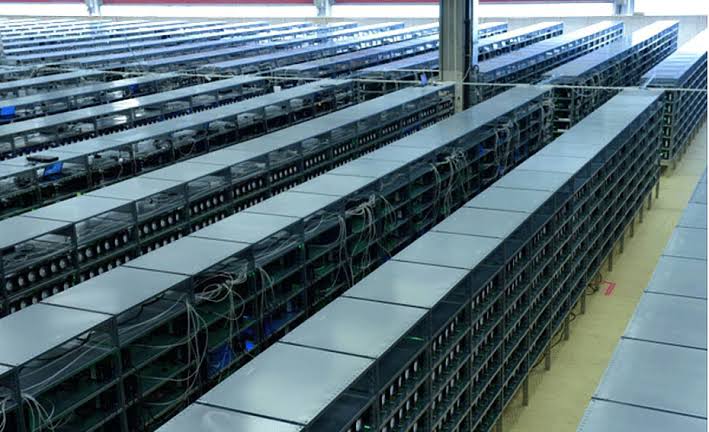
Z15 Pro vs Antminer S21 in 2026: Zcash and Bitcoin mining earnings, efficiency, and payback compared side by side, with live August 2026 price and hashrate data, plus an FAQ.
Read more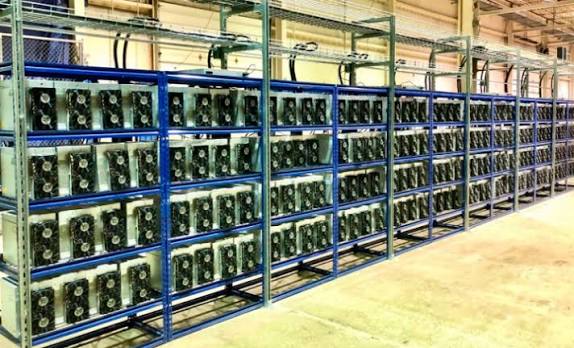
The best Zcash mining pools for a Z15 Pro in 2026: 2Miners, NanoPool, ViaBTC, AntPool, and F2Pool compared by fee, payout threshold, and reliability, plus solo mining math and an FAQ.
Read more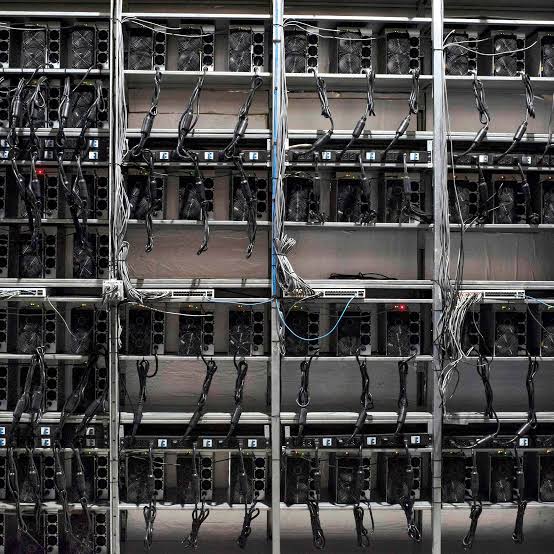
The Antminer Z15 Pro 860 kSol/s is the best Zcash ASIC miner in 2026 at 3.23 J/kSol, with no Z16 announced. Compare it against the Z15, Z9, and GPU rigs by real specs, current ZEC price, and payback.
Read more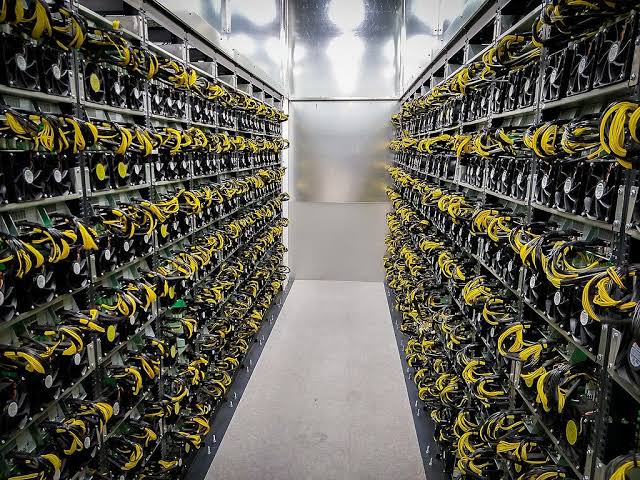
Z15 Pro 860kSol/s price in 2026: $6,799 with a 60-day warranty, free DDP over $5,000, and a 3% Bitcoin discount. Why the price holds and where to buy in stock.
Read more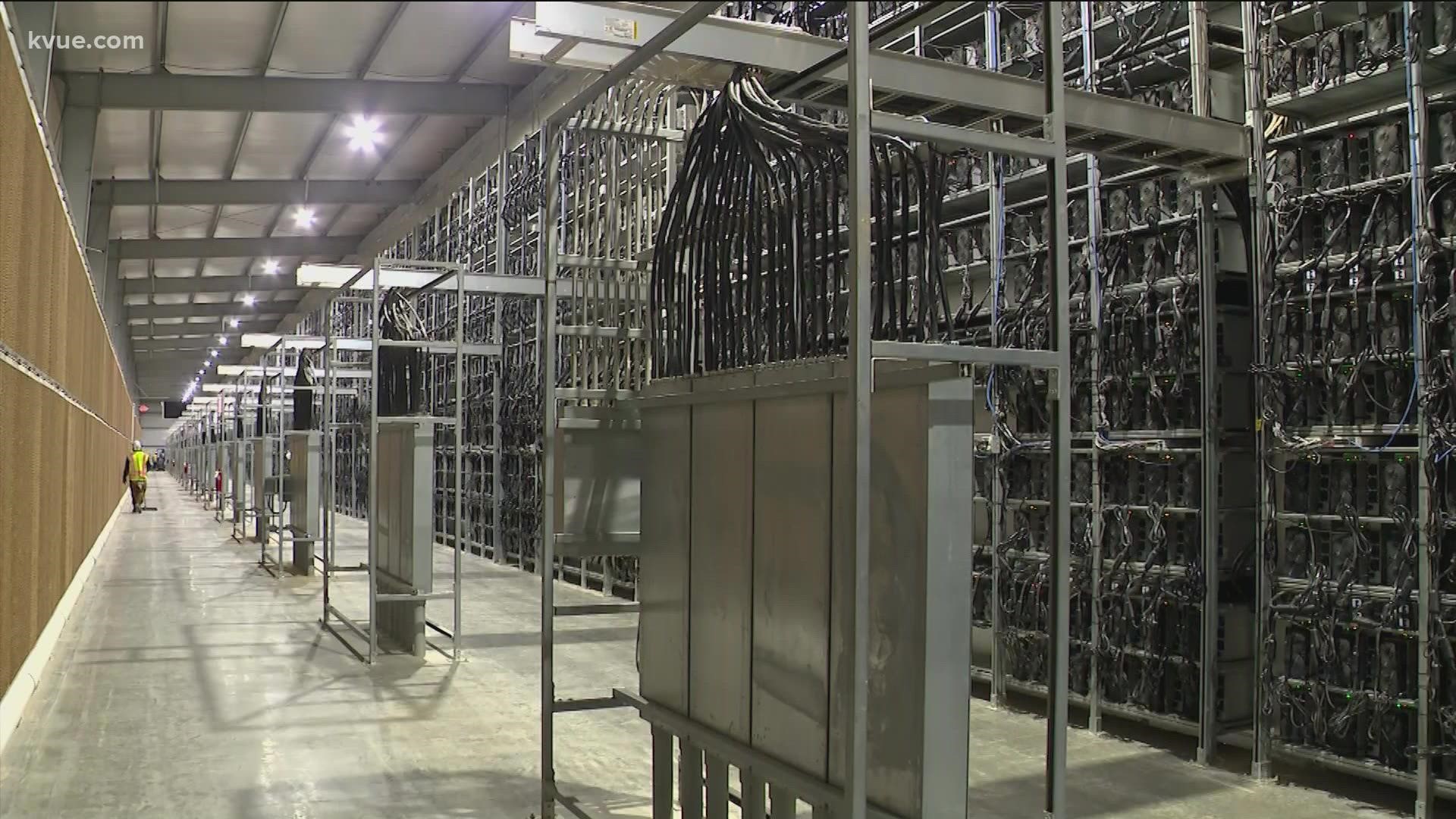
Zcash vs Horizen for a Z15 Pro in 2026: hash price, volatility, and pools compared. At ZEC $510 vs ZEN $4.11, mine ZEC for revenue and hold ZEN as a ratio option.
Read more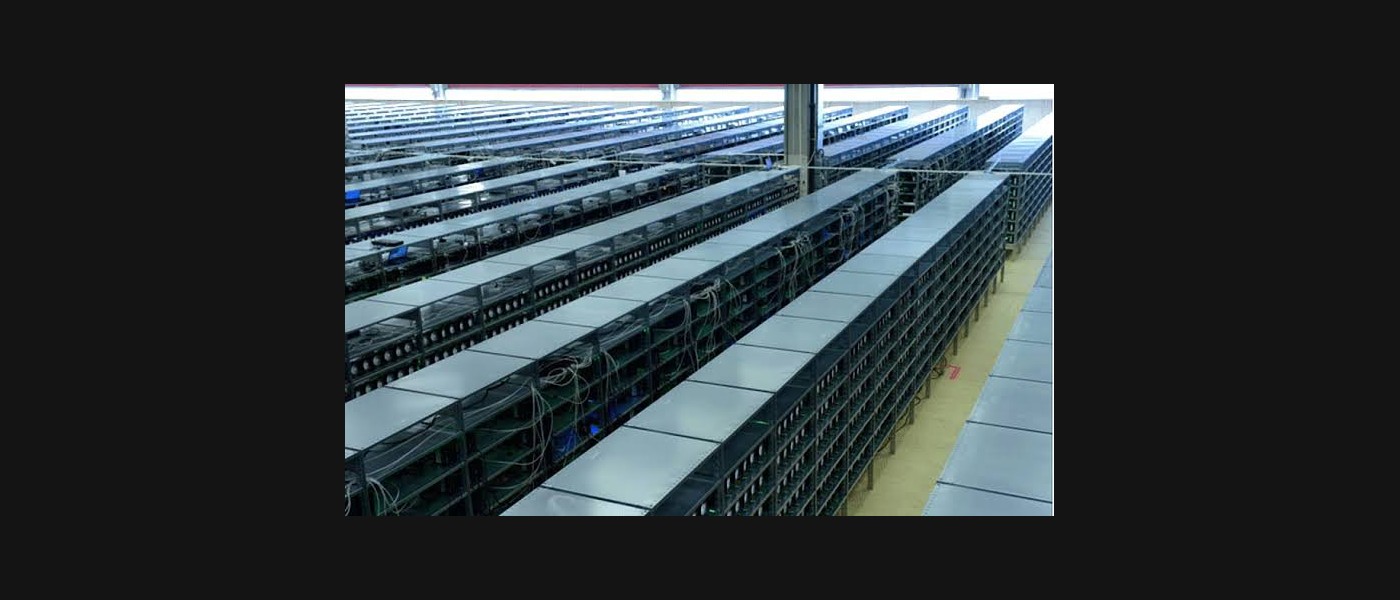
The Bitmain Antminer Z15 Pro draws ~2780W at the wall. At residential rates, that can erase your margin. We break down the real power cost, circuit requirements, and when the Z15 Pro makes financial sense.
Read more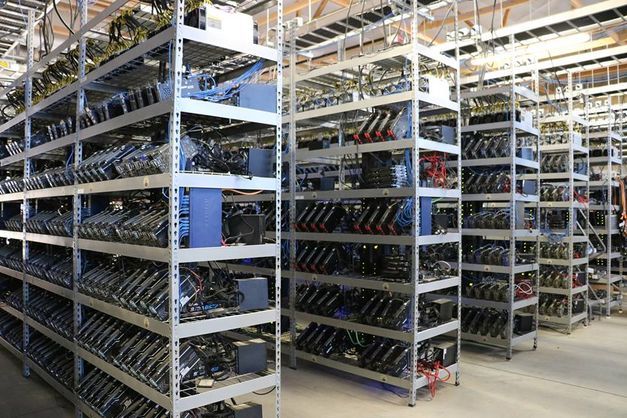
The Z15 Pro draws 2,780 W, about 66.7 kWh per day. See what it costs to run at $0.05-$0.20/kWh and how power shapes payback.
Read more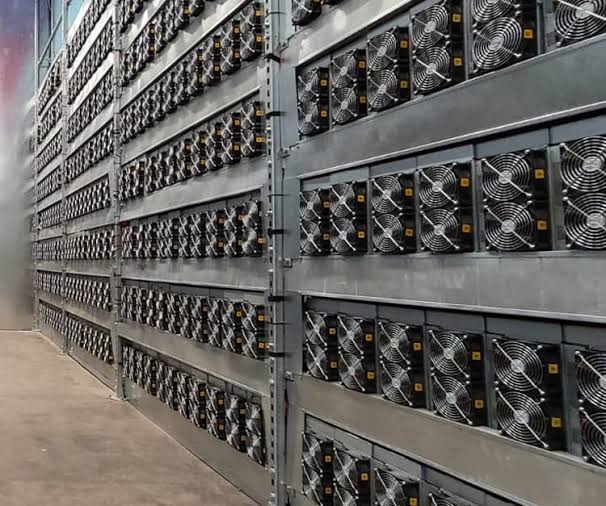
Buying an Antminer Z15 Pro in 2026? Learn how to verify a seller, understand DDP shipping, and avoid the scams that cost miners thousands.
Read more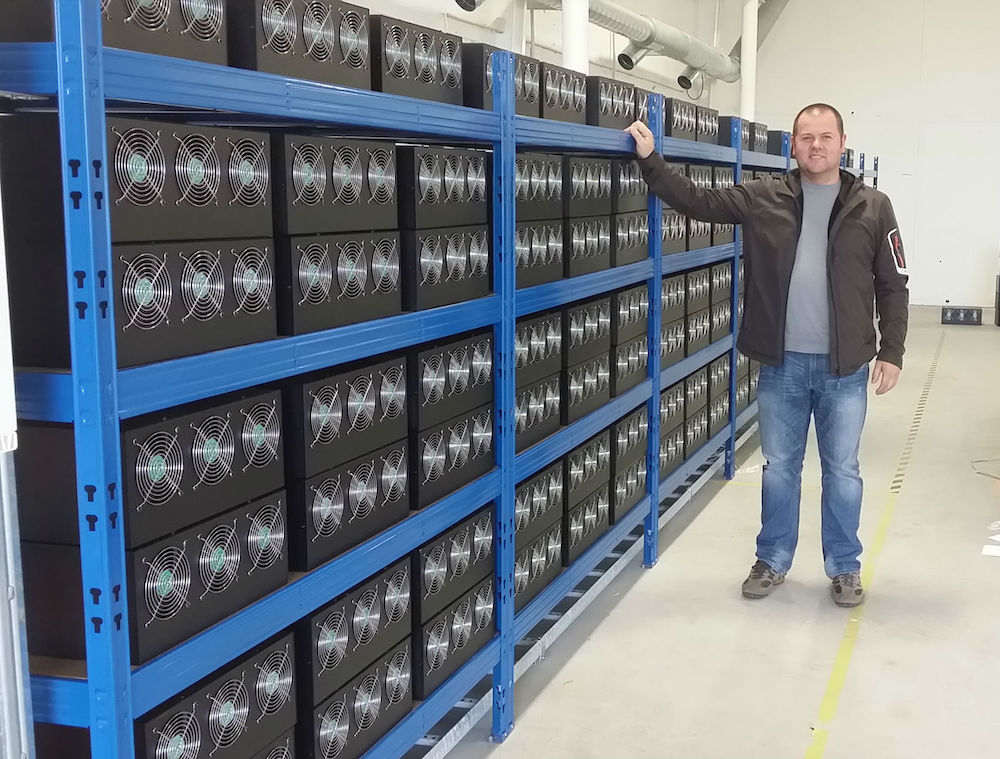
Z15 Pro 860kSol/s profitability at ZEC $494.27, ZEN $4.05. Equihash network hashrate & difficulty trends, efficiency vs Z9/Z15/S21, when to buy. In stock, DDP shipping.
Read more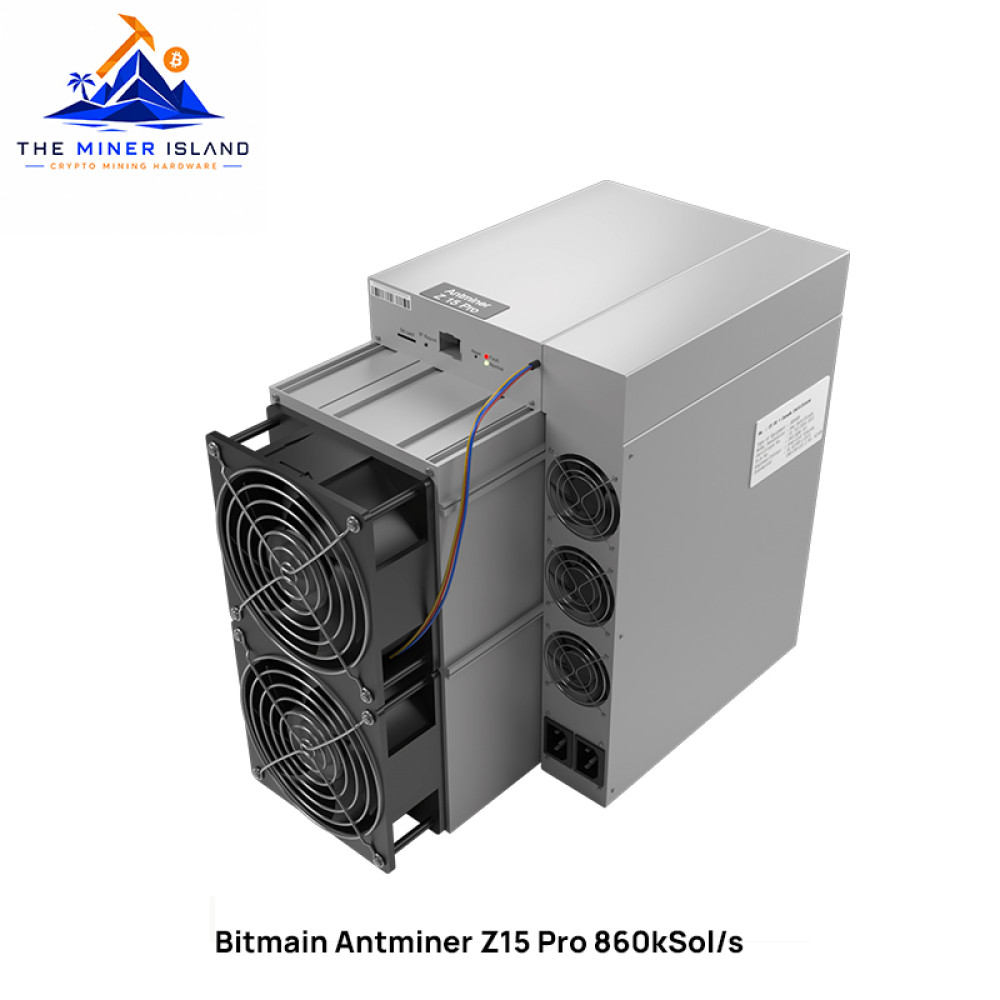
Zcash mining is changing. A plain look at the Bitmain Antminer Z15 Pro 860kSol/s, what it really earns, and why it still makes sense for Equihash miners in 2026.
Read more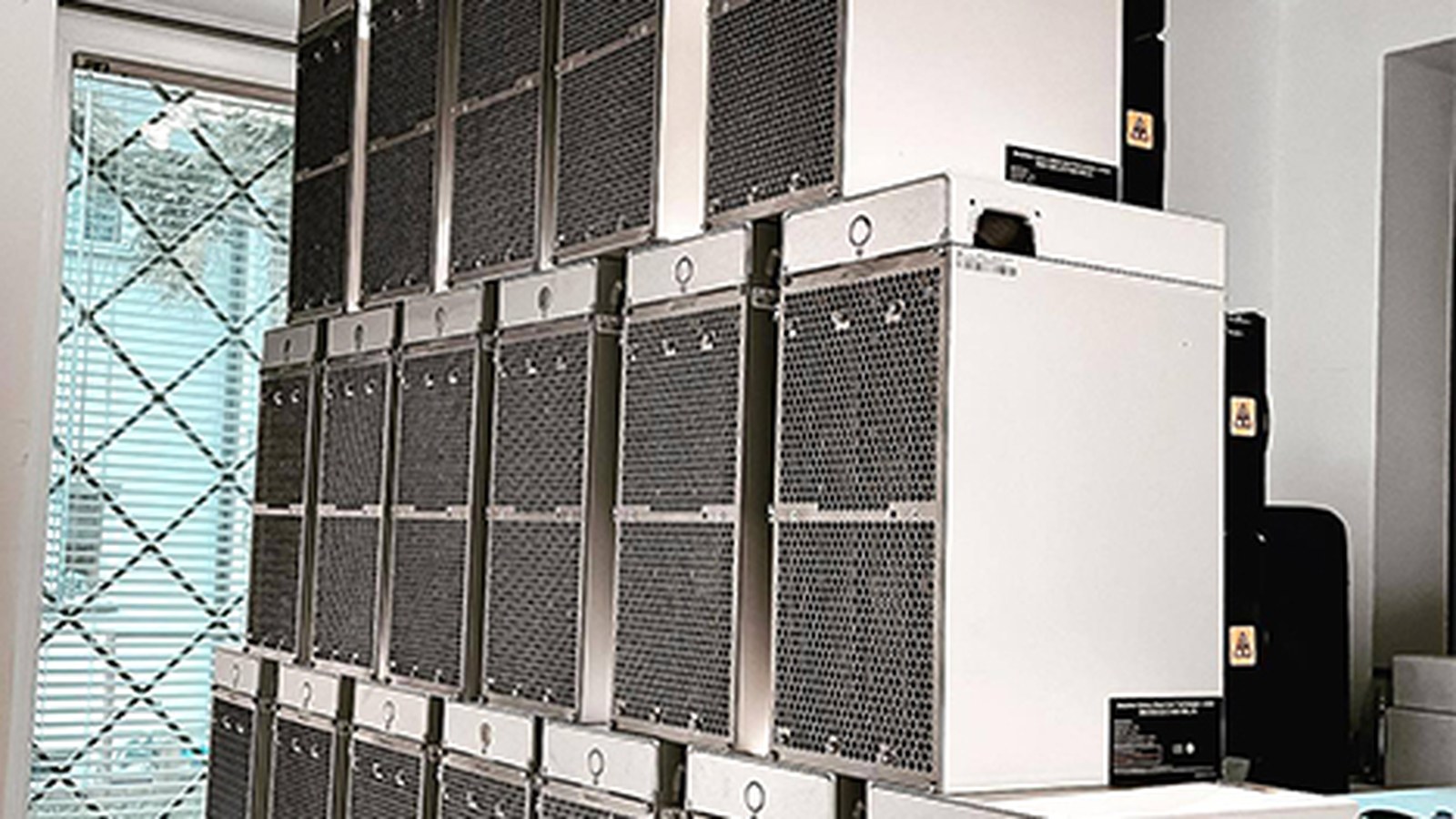
We list 61 models as in stock. Here is what that inventory physically looks like, how we photograph it, and how you can confirm a specific unit is on the shelf before you pay.
Read moreBehind-the-scenes documentation of how units are tested, verified, and prepared for dispatch at our Hong Kong warehouse. What we check, what we reject, and why it matters for the hardware that lands at your facility.
Data-driven breakdowns of mining network conditions: difficulty adjustments, emission schedule changes, efficiency tier shifts, and what current market conditions mean for hardware purchasing decisions.
Real accounts of how operators have sourced, scaled, and managed their fleets using hardware from The Miner Island. Composite stories drawn from actual buyer experiences with real numbers where possible.
Plain-language explanations of the DDP shipping process, customs procedures, transit timelines, and what happens when something goes wrong in transit.
Platform-specific guides covering algorithm selection, cooling requirements, power specifications, and deployment considerations for the ASIC models we stock.
New posts are published weekly. Follow us on our social channels or message us on WhatsApp to be notified when new content goes live.